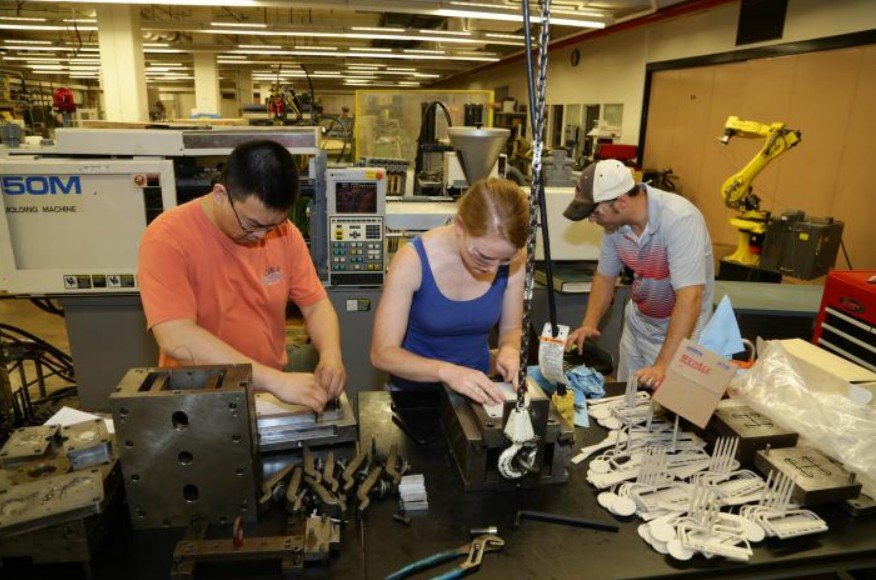
When I first stepped into the role of a manufacturing process engineer, I thought it was mostly about charts, calculations, and looking smart in meetings. Turns out, it’s way more about people, broken machines, and fixing problems at 2 a.m. while wondering how things went sideways so fast. Nobody really tells you that part upfront.
I remember my first month pretty clearly. I had a fresh notebook, a head full of lean manufacturing theories, and a strong belief that data would always lead me to the right answer. Then a production line missed its target by 18{dfd53f50f8b7bf8dbe0b61092f8fb7cc41a76a4fe982e9f7ddf57f2fb9bd2b00}, and my perfect spreadsheet didn’t mean a thing to the operators who were already stressed and tired.
That was my first real lesson: being a manufacturing process engineer is less about knowing everything and more about learning how things actually work on the floor.
Learning the Process Beyond the SOPs
Standard operating procedures look great on paper. Clean steps, clear timings, no confusion at all. But the real process almost never matches the document, and that used to frustrate me a lot.
I once spent two full days reviewing an SOP for an assembly line, convinced the operators were skipping steps. When I finally stood next to them for an entire shift, I realized the SOP hadn’t been updated in three years. Tools had changed, part tolerances were tighter, and the sequence was quietly adjusted just to keep production moving.
That was humbling.
If you’re serious about process optimization, you have to observe the real workflow. Time studies, cycle time analysis, and takt time calculations only matter if they reflect reality. I learned to carry a stopwatch, not just a laptop, and honestly that changed everything.
One small tip that helped me: don’t ask “why are you doing it this way?” Ask “what makes this step hard?” You’ll get way better answers.
Mistakes I Made with Lean Manufacturing
Lean manufacturing sounds elegant. Eliminate waste, improve flow, reduce inventory, done. In practice, it’s messy.
I once pushed for a Kanban system too early. On paper, the math worked. Inventory levels dropped, WIP was controlled, and space was freed up. But I didn’t account for supplier variability or machine downtime that everyone else already knew about.
Production stalled within a week.
That one hurt. I had to stand in front of the team and admit the implementation was rushed. We rolled it back, gathered better data, and relaunched it two months later with safety buffers and clearer visual controls.
Lesson learned: continuous improvement only works when it’s continuous, not rushed. Lean tools like 5S, Kaizen, and value stream mapping are powerful, but they’re not magic. They need context.
Working with Operators Changed My Perspective
Early on, I made the classic mistake of thinking engineers “design” and operators “execute.” That mindset didn’t last long.
One operator showed me a workaround he’d developed to reduce hand fatigue. He’d modified the sequence slightly and shaved three seconds off the cycle time. Nobody asked him to do that. He just cared about doing the job better.
That moment changed how I ran process improvement projects. Operators aren’t obstacles to change; they’re usually the source of the best ideas. Now I always involve them in root cause analysis, especially during fishbone diagrams and 5-why sessions.
If people feel heard, they’ll support change. If they feel ignored, they’ll resist it quietly, which is worse.
Data Is Important, but Context Is Everything
As a manufacturing process engineer, you live in data. OEE, scrap rate, yield, downtime, throughput. I love metrics, but I’ve learned they can lie if you don’t understand the story behind them.
I once celebrated a scrap reduction of 12{dfd53f50f8b7bf8dbe0b61092f8fb7cc41a76a4fe982e9f7ddf57f2fb9bd2b00}. Everyone clapped. A week later, we found out defects were being caught later in the process, not eliminated. Scrap just moved downstream.
That was embarrassing.
Now I double-check how data is collected. Is scrap being logged correctly? Are downtime reasons accurate or just default codes? Bad data leads to bad decisions, and that’s on us as engineers.
A small habit that helped: spend 10 minutes per day just reviewing one metric deeply instead of scanning all of them quickly. You’ll catch patterns faster.
Process Validation and Documentation Are Not Optional
I used to see documentation as busywork. Process FMEAs, control plans, validation reports. They felt slow and repetitive, especially when production pressure was high.
Then we had a customer audit.
Suddenly, every undocumented workaround became a liability. Every uncontrolled parameter was a risk. That’s when I truly understood why process validation matters, especially in regulated industries like automotive, aerospace, or medical manufacturing.
Now I treat documentation as part of the process, not something separate. If a step isn’t documented, it isn’t stable. If it isn’t stable, it will fail eventually.
It’s not exciting work, but it saves you later. Trust me on that.
Dealing with Equipment and Maintenance Realities
Machines don’t care about your schedule. That’s another thing nobody warns you about.
I’ve seen beautifully optimized processes collapse because preventive maintenance was skipped. As a process engineer, you end up working closely with maintenance teams whether you plan to or not.
I learned to ask questions like:
- What fails most often on this machine?
- Which parameter drifts first?
- How long does changeover really take, not theoretically?
Once, we adjusted a process window slightly to reduce wear on a critical component. Output dropped by 2{dfd53f50f8b7bf8dbe0b61092f8fb7cc41a76a4fe982e9f7ddf57f2fb9bd2b00}, but uptime increased by 15{dfd53f50f8b7bf8dbe0b61092f8fb7cc41a76a4fe982e9f7ddf57f2fb9bd2b00}. That tradeoff was worth it, and it only happened because engineering and maintenance actually talked.
Communication Is a Core Engineering Skill
This might sound obvious, but it took me years to accept: communication is as important as technical knowledge.
I’ve seen great ideas die because they weren’t explained clearly. I’ve also seen average ideas succeed because everyone understood the why behind them.
When presenting process changes, I stopped using complicated charts unless needed. I started using photos, simple diagrams, and before-and-after comparisons. People engage more when they can see the difference.
And yeah, sometimes I still overexplain. Old habits die hard.
Frustration, Burnout, and Small Wins
There were days I questioned why I chose this career. Long hours, constant firefighting, and pressure from all sides can wear you down.
But then there are moments that make it worth it.
Like when a line runs smoothly for weeks without intervention. Or when an operator tells you their job is easier now. Or when a process you designed passes its first audit with zero findings.
Those small wins matter. They remind you that manufacturing process engineering is about building systems that help people succeed, not just hitting numbers.
Advice I’d Give to New Manufacturing Process Engineers
If you’re starting out, here’s what I wish someone told me earlier:
Spend more time on the floor than at your desk. Listen more than you talk. Don’t assume the process is broken until you understand it. And don’t be afraid to admit when you’re wrong.
You don’t need to know everything. You just need to be curious, patient, and willing to learn from mistakes. And trust me, there will be mistakes. Plenty of them.
But if you stick with it, being a manufacturing process engineer can be deeply satisfying. You get to see ideas turn into real products, and that never gets old.
Even on the tough days.