When I first heard the title MFG engineer, I thought it was just a fancy way to say “the guy who fixes production problems.” Turns out, that was only about half right. After years of being on the manufacturing floor, dealing with operators, managers, machines, and spreadsheets that never quite matched reality, I learned this role is way more hands-on and way more human than people think.
Early on, I made the classic mistake of thinking process documents mattered more than people. I spent weeks perfecting a work instruction, only to find out nobody used it because it didn’t match how the job was actually done. That one stung, but it taught me fast that a manufacturing engineer lives in the gap between theory and reality.
Most days as an MFG engineer start with good intentions. You plan to analyze cycle time or improve yield, but then a machine goes down or quality calls about scrap. Before you know it, you’re troubleshooting a hydraulic leak while answering emails about cost reduction targets.
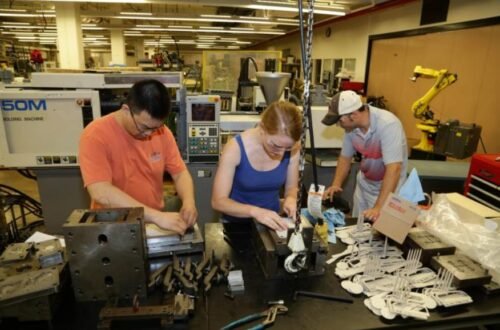
One thing nobody tells you is how much walking you’ll do. I tracked it once out of curiosity and averaged almost six miles a day. If you’re not willing to leave your desk and talk to operators, you won’t last long in manufacturing engineering.
I learned pretty early that listening is more valuable than talking. Operators usually know exactly what’s wrong, even if they don’t use engineering terms. When someone says, “This press feels off,” it usually is, and ignoring that feeling has burned me more than once.
My first big win as an MFG engineer came from a mistake. I had redesigned a fixture to save about eight seconds per part, which looked great on paper. But I didn’t test it enough, and it caused ergonomic issues that slowed the whole line down.
That was a humbling moment. Eight seconds saved doesn’t mean much if people are uncomfortable or tired. Manufacturing engineering isn’t just about efficiency; it’s about sustainable efficiency.
One thing that separates good MFG engineers from average ones is how they handle data. Not just collecting it, but understanding when data is lying to you. I’ve seen OEE numbers look amazing while scrap bins were overflowing.
Sometimes data was entered wrong. Other times it was technically correct but totally misleading. Learning to validate numbers on the shop floor saved me from making some very bad decisions.
Process improvement sounds glamorous, but most of it is painfully boring. It’s adjusting feed rates by small amounts, tweaking fixture alignment, or changing tool change intervals. Those tiny changes, stacked over time, are what actually move KPIs.
I used to chase big automation projects early in my career. Robots, conveyors, vision systems, all that shiny stuff. What I learned later is that a $50 clamp redesign can beat a $50,000 automation cell if done right.
Being an MFG engineer also means learning to speak multiple languages. You talk one way with operators, another with management, and another with suppliers. Getting that wrong causes friction fast. I once explained a production delay using statistical terms in a management meeting. Blank stares everywhere. After that, I learned to translate engineering problems into business impact, like cost per unit or missed shipments.
Another tough lesson was about change management. Even good ideas fail if rolled out the wrong way. People don’t like sudden changes, especially when production targets are tight. I started involving operators earlier in improvements. Instead of saying, “Here’s the new process,” I’d ask, “What would make this easier?” The buy-in improved immediately, and resistance dropped a lot.
Quality issues are where MFG engineers earn their keep. Root cause analysis sounds simple until you’re under pressure to restart production. Rushing that step almost always comes back to bite you.
I’ve learned to slow down when things go wrong. Five Whys only works if you’re honest, not if you’re trying to blame equipment or people. More often than not, the process design was the real problem.
One area I underestimated early on was documentation.
I thought it was just busy work.
Later, when troubleshooting repeat issues, those old notes became gold.
Standard work, control plans, PFMEAs, they all matter more than you think.
Not because auditors love them, but because they capture lessons learned.
Skipping that step means you’ll relearn the same mistakes again.
As an MFG engineer, you’ll deal with frustration regularly.
Machines don’t fail on schedule.
Suppliers miss deliveries, and production demands never slow down.
I remember a week where three critical machines went down back-to-back.
I barely slept, lived on bad coffee, and questioned my career choices.
But fixing those issues and seeing production recover was incredibly satisfying.
That sense of accomplishment keeps you going.
When a line finally runs smoothly because of something you improved, it feels good.
Not flashy, but solid.
Cost reduction is another big part of the job.
It’s not always about cheaper materials.
Sometimes it’s reducing scrap, rework, or unnecessary handling.
One of my best cost savings projects came from reducing tool wear.
We changed cutting parameters slightly and extended tool life by 30 percent.
That added up fast across multiple machines.
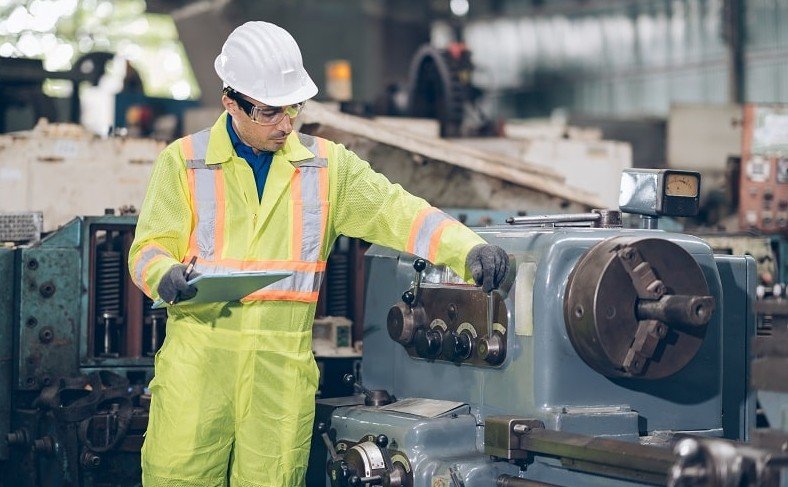
Safety is something that grows more important with time.
Early in my career, I saw it as a checklist item.
Now I see it as non-negotiable.
If a process improvement increases risk, it’s not an improvement.
I’ve shut down projects because they compromised safety, even when management pushed back.
Those decisions were never regretted.
Communication skills are underrated for MFG engineers.
You’ll write emails, procedures, and reports constantly.
Clear writing saves time and prevents misunderstandings.
I still keep my language simple.
No buzzwords, no overcomplication.
If someone can’t understand your explanation, the solution probably isn’t ready.
Mentoring younger engineers became one of the most rewarding parts of the job.
I see them make the same mistakes I did.
Instead of stopping them, I guide them through it.
Manufacturing engineering teaches patience.
Improvements don’t always show immediate results.
Sometimes it takes months before changes stabilize.
There were times when I thought an idea failed, only to see gains later.
Processes need time to settle.
That’s hard to accept in a fast-paced production environment.
Being an MFG engineer also means knowing what you don’t know.
I’ve asked operators, maintenance techs, and suppliers for help countless times.
Pretending you have all the answers is a fast way to lose trust.
Technology keeps changing, but fundamentals stay the same.
Good process flow, stable machines, and trained people still matter most.
New software won’t fix a broken process.
If you’re considering becoming an MFG engineer, know this.
It’s messy, stressful, and sometimes exhausting.
But it’s also practical, impactful, and deeply satisfying.
You get to see your work turn into real products.
You solve real problems that affect real people.
That’s something not every engineering role offers.
After all these years, I still enjoy walking the floor and spotting small issues.
Loose fasteners, awkward reaches, inconsistent setups.
Those details are where improvements hide.
The role of an MFG engineer isn’t glamorous.
It’s grounded, hands-on, and often invisible when things go right.
But when things go wrong, you’re the one people call.
And honestly, that responsibility feels earned.