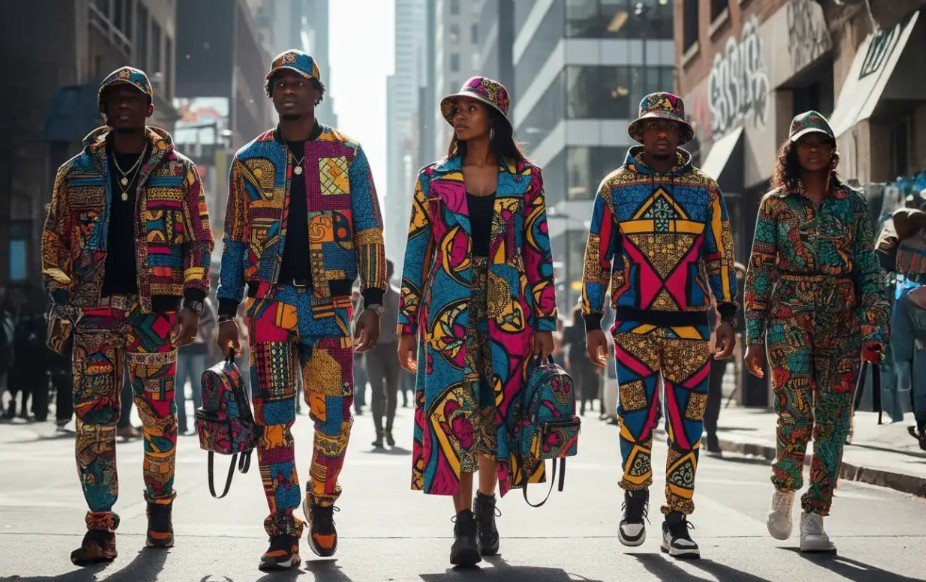
The world of fashion is a continuous cycle of inspiration, but few sources boast the profound cultural depth and breathtaking artistry found in African textiles and attire. From the geometric precision of Kente cloth to the intricate indigo dyes of West Africa, clothing is more than mere covering—it is a narrative, a historical record, and a vibrant declaration of identity. This exploration delves into the significance of traditional and contemporary African garments, highlighting key items like the african shirt, the distinguished african hat, and specific regional styles such as cameroon clothing, while also recognizing the role of this fashion in global celebrations like the wearing of juneteenth shirts, and even finding its way into cozy home accessories like the sherpa blanket.
The Enduring Elegance of the African Shirt
The african shirt, in its myriad forms, is perhaps the most universally recognized element of African-inspired fashion. More than just a garment, it is a canvas of cultural expression. These shirts can range from the simple, flowing lines of the dashiki, often characterized by its V-neck and ornate embroidery, to the meticulously tailored shirts made from printed cotton or handwoven fabrics.
The fabrics themselves speak volumes. Ankara, with its bold, colorful wax prints, is a modern staple, yet its Dutch-Indonesian origins and subsequent adoption and transformation by West African cultures tell a complex story of global trade and cultural fusion. Alternatively, fabrics like mud cloth (Bògòlanfini) from Mali or Kuba cloth from the Democratic Republic of Congo offer a connection to ancient artisanal techniques, featuring earth-toned palettes and symbolic patterns that communicate lineage, status, and philosophical proverbs.
Wearing an african shirt is a statement. In a business setting, a finely tailored piece exudes confidence and global sophistication. At social gatherings, the bright colors and unique patterns ensure the wearer stands out. Critically, for the diaspora, it is a tangible link to ancestral heritage, a way to visibly reclaim and celebrate identity in a globalized world.
The Regal Statement of the African Hat
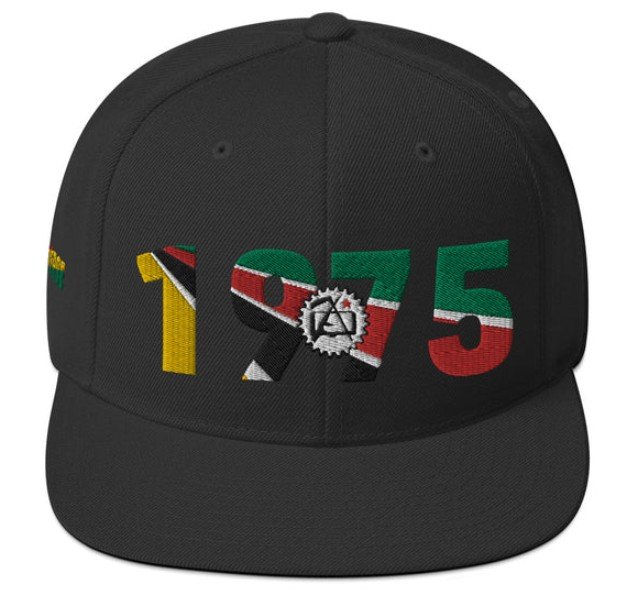
Complementing the shirt is the majestic african hat. Headwear across the continent is rarely an afterthought; it is often the crowning glory of an outfit, carrying immense social and ceremonial weight. The styles are as diverse as the cultures that produce them.
In some Nigerian cultures, for example, the fila or gobi—a cap that can be folded, twisted, or worn flat—is a marker of manhood and ethnic identity. The way the hat is worn can even signal marital status or social rank. In Ghana, traditional chiefs don towering, intricate hats woven from raffia or adorned with gold, signifying their authority and the history of their stool.
The aesthetics of the african hat are breathtaking. From the embroidered Kufi caps of West Africa to the intricately wrapped turbans worn in North and East Africa, each piece is a work of art. The hat adds verticality, structure, and a finishing touch of regality, turning an already beautiful outfit into an authoritative ensemble. It is an element of fashion that insists on respect and demands attention, symbolizing the dignity and long-standing traditions of African people.
Regional Identity: Cameroon Clothing
Zooming in on specific regional styles offers a deeper appreciation for the variety of African fashion. Cameroon clothing, for instance, showcases a blend of diverse cultural influences within the country. The Bamileke, a major ethnic group, are famous for their magnificent toghu, a heavy, embroidered cloth often worn for ceremonial events, including chieftaincy coronations and funerals. The patterns, usually in deep blue, black, and red, are meticulously hand-stitched, with specific motifs holding cultural significance.
In the northern regions, the clothing reflects the Sahelian and Islamic influences, with flowing boubous and simpler, yet elegant, tunics. The variety in cameroon clothing illustrates a key aspect of African fashion—it is never monolithic. It is a mosaic of different kingdoms, linguistic groups, and historical interactions, each contributing a unique thread to the national wardrobe. For Cameroonians, donning these traditional garments is a profound act of cultural belonging, connecting them to the rituals and history of their specific lineage.
Celebrating Freedom with Juneteenth Shirts
The resonance of African fashion extends far beyond the continent’s borders. The rise of the juneteenth shirt as a popular garment for the annual celebration of emancipation in the United States exemplifies how African-inspired prints and styles have been embraced as symbols of Black identity and freedom worldwide.
Juneteenth shirts often incorporate African wax prints, mud cloth-inspired designs, or the Pan-African colors (red, black, and green) to honor the historical and cultural roots of the holiday. Wearing such a shirt is a powerful visual acknowledgment of the past struggle, a celebration of resilience, and a forward-looking statement of pride. This adoption of African aesthetics into a core American holiday illustrates the successful cultural diffusion and the enduring symbolic power of these textiles. They serve as a vibrant, undeniable marker of heritage for the African diaspora, turning a day of remembrance into a dynamic fashion event.
Bringing Culture Home: The Sherpa Blanket
Even in the realm of home goods, African design principles are making a cozy impact. While not a traditional garment, the modern-day sherpa blanket has found a perfect synergy with African-inspired patterns. Imagine a soft, plush blanket, typically known for its fluffy, sheepskin-like texture, being adorned with bold Kente stripes or intricate Kuba geometric designs.
This fusion represents the globalization of African aesthetics—taking designs steeped in millennia of tradition and applying them to contemporary comforts. A sherpa blanket featuring an Ankara print is more than just an item of bedding; it’s a piece of art that brings warmth and cultural depth to a living space. It shows that the appreciation for African design is not limited to high fashion or ceremonial wear but can be integrated into the everyday, enhancing the domestic environment with its powerful visual language.
Conclusion
The enduring influence of African fashion, from the powerful silhouette of the african shirt and the dignified stature added by the african hat, to the specific cultural narratives woven into cameroon clothing, continues to inspire the global fashion world. It serves as a visual language for global celebrations like Juneteenth, with its commemorative juneteenth shirts, and even finds its way into the most comfortable corners of our homes through items like the patterned sherpa blanket. This rich tapestry of clothing and design is a testament to the continent’s enduring creativity, history, and cultural wealth, proving that African fashion is not a trend, but a timeless and powerful expression of human identity.